Glaucoma (Kala Motia) — Protect your vision from silent vision loss
Early detection. Advanced diagnosis. Lifelong vision protection.
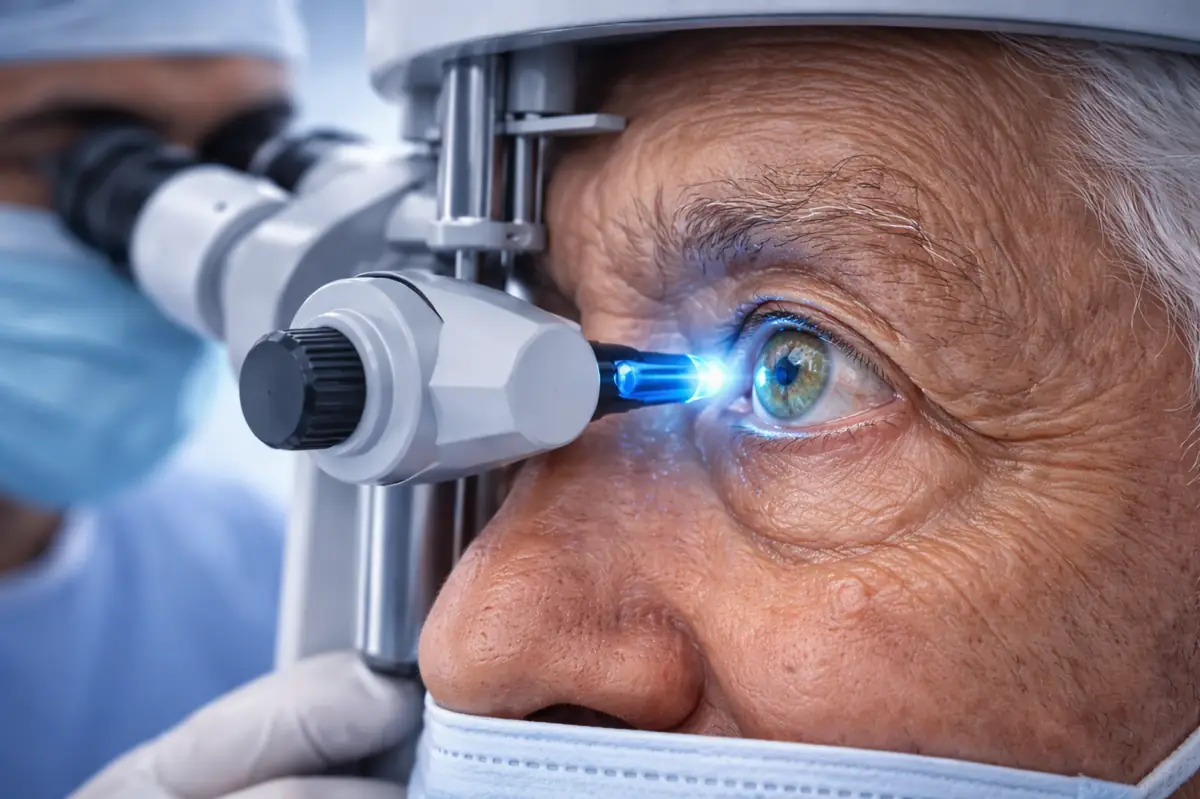
Overview
Glaucoma damages the optic nerve — usually from raised intraocular pressure — and causes gradual, irreversible vision loss if left untreated, which is why it's often called the "silent thief of sight." We offer a stepped treatment approach: eye drops, laser procedures (SLT, ALT, iridotomy, cyclophotocoagulation), minimally invasive glaucoma surgery (MIGS), and traditional trabeculectomy or drainage devices, guided by tonometry, gonioscopy, OCT and visual field testing.
Key Highlights
- Damages the optic nerve, typically via elevated eye pressure
- Higher risk after 40, with family history, diabetes/hypertension, high refractive error or long-term steroid use
- Treatment ladder: drops → laser (SLT/ALT/iridotomy/cyclophotocoagulation) → MIGS → trabeculectomy/drainage devices
- MIGS can be combined with cataract surgery for rapid recovery
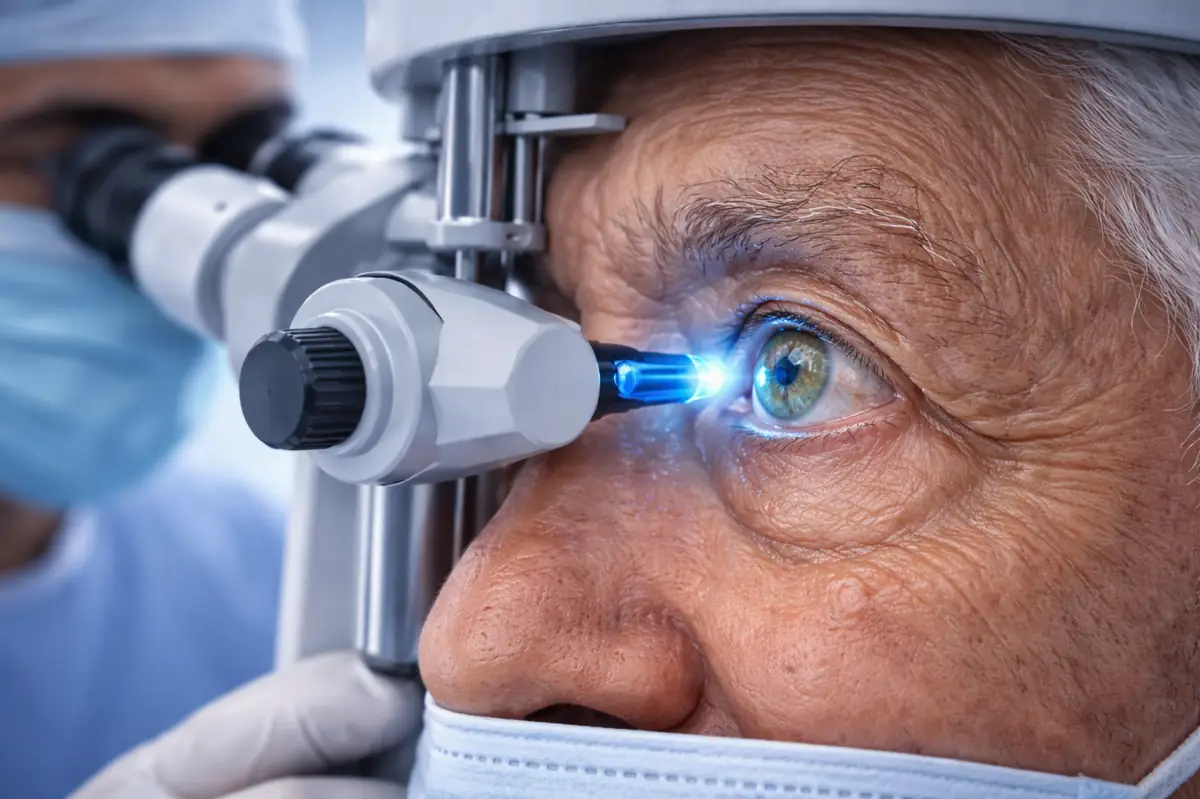
- Diagnostics: applanation tonometry, gonioscopy, OCT, visual field testing, pachymetry
What is Glaucoma (Kala Motia)?
Glaucoma is a group of eye diseases that damage the optic nerve, often due to increased eye pressure. It is called the “silent thief of sight” because vision loss is gradual and irreversible if untreated.
At Grover Eye Hospital, we provide comprehensive glaucoma care—from early diagnosis to advanced medical, laser, and surgical treatments.
- Normal IOP range: 9 — 21 mmHg
- Average IOP: ~16 mmHg
- Risk increases significantly above 21 mmHg
IOP explanation block
Glaucoma treatment options
Medical management
Eye drops to control eye pressure
Laser treatment
SLT (Selective laser trabeculoplasty)
Advanced laser procedures
DLCP (Diode laser cyclophotocoagulation)
Minimally invasive glaucoma surgery (MIGS)
Newer, micro-incision glaucoma procedures
Glaucoma surgery
Trabeculectomy
Advanced Glaucoma Diagnostics
Applanation tonometry (IOP measurement)
Gonioscopy (angle evaluation)
OCT (optic nerve analysis)
Visual field testing (perimetry)
Pachymetry (corneal thickness)
Optic nerve evaluation
Who is at Risk?
- Age above 40 years
- Family history of glaucoma
- Diabetes or hypertension
- High eye power
- Long-term steroid use
- Often no symptoms in early stages
- Gradual loss of side vision
- Sudden pain/redness (acute cases)
- Halos around lights
Symptoms
Ready to take the next step with Glaucoma?
Book a consultation and our specialists will guide you to the right treatment.